









ChordFinder
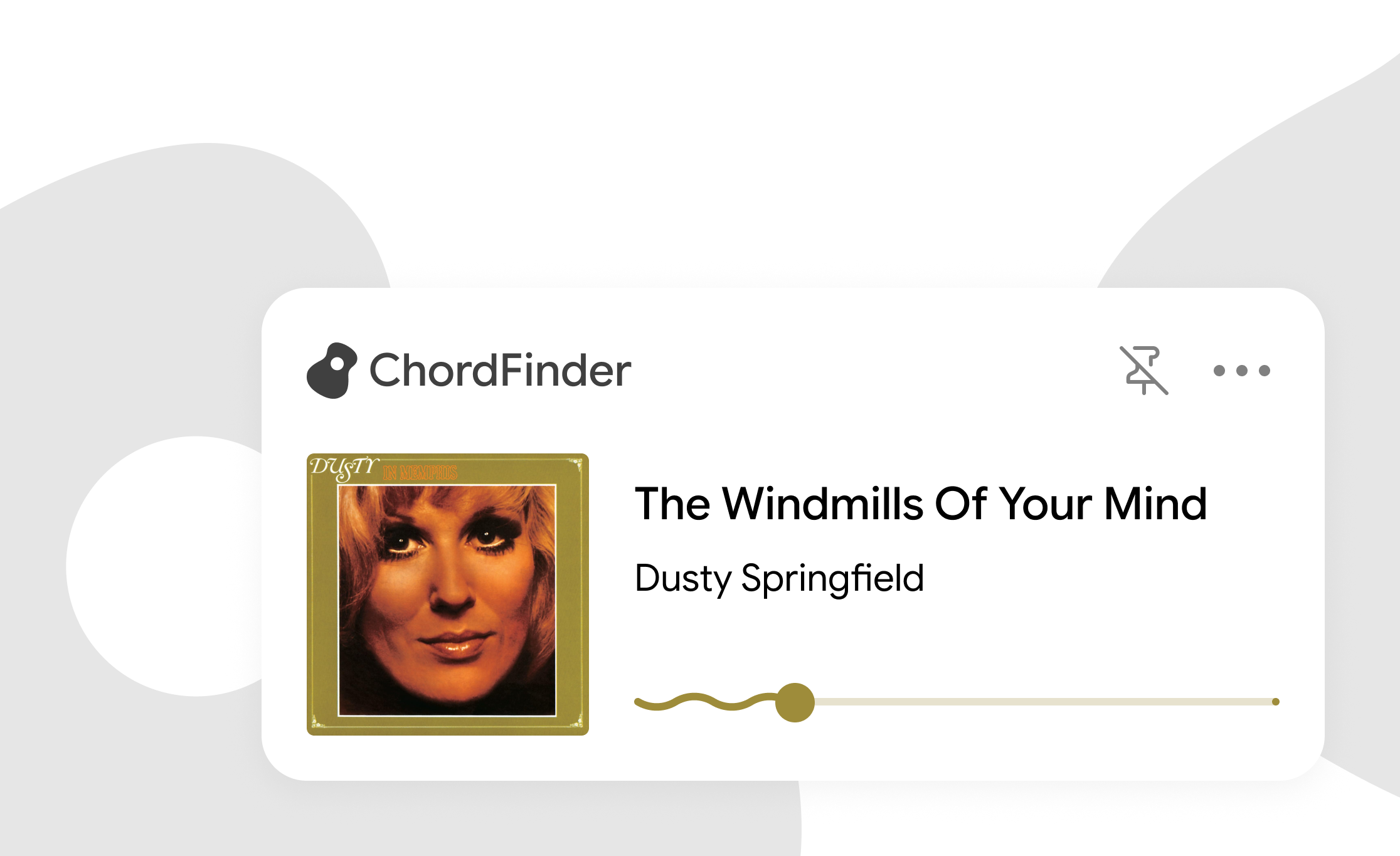
Names chords from a set of notes and suggests voicings — a small tool for guitarists.
I'm a product designer at Code Computerlove, working across long-form website redesigns and booking funnels through to smaller, data-driven improvements. I studied industrial design at Brunel University London, and it left me with a habit I've never quite shaken: taking things apart to understand how they actually work. It's the same instinct I've carried into digital products for the last four years.
I work collaboratively and stay open minded, but I'm efficient about it. Before I move on anything, I want to properly understand the whole problem, not just the part I've been handed. And when I present work back, I care as much about how clearly it's articulated as the thinking behind it. It's an approach shaped by Dieter Rams: nothing included that isn't earning its place.
That same curiosity spills outside of work too. I write code and lean on AI to speed up parts of my UX process, tinker with smart home setups, and 3D print whatever project I've talked myself into that week. Different outlet, same habit as the industrial design days: pull something apart, work out how it fits together, then build it back better.
Names chords from a set of notes and suggests voicings — a small tool for guitarists.
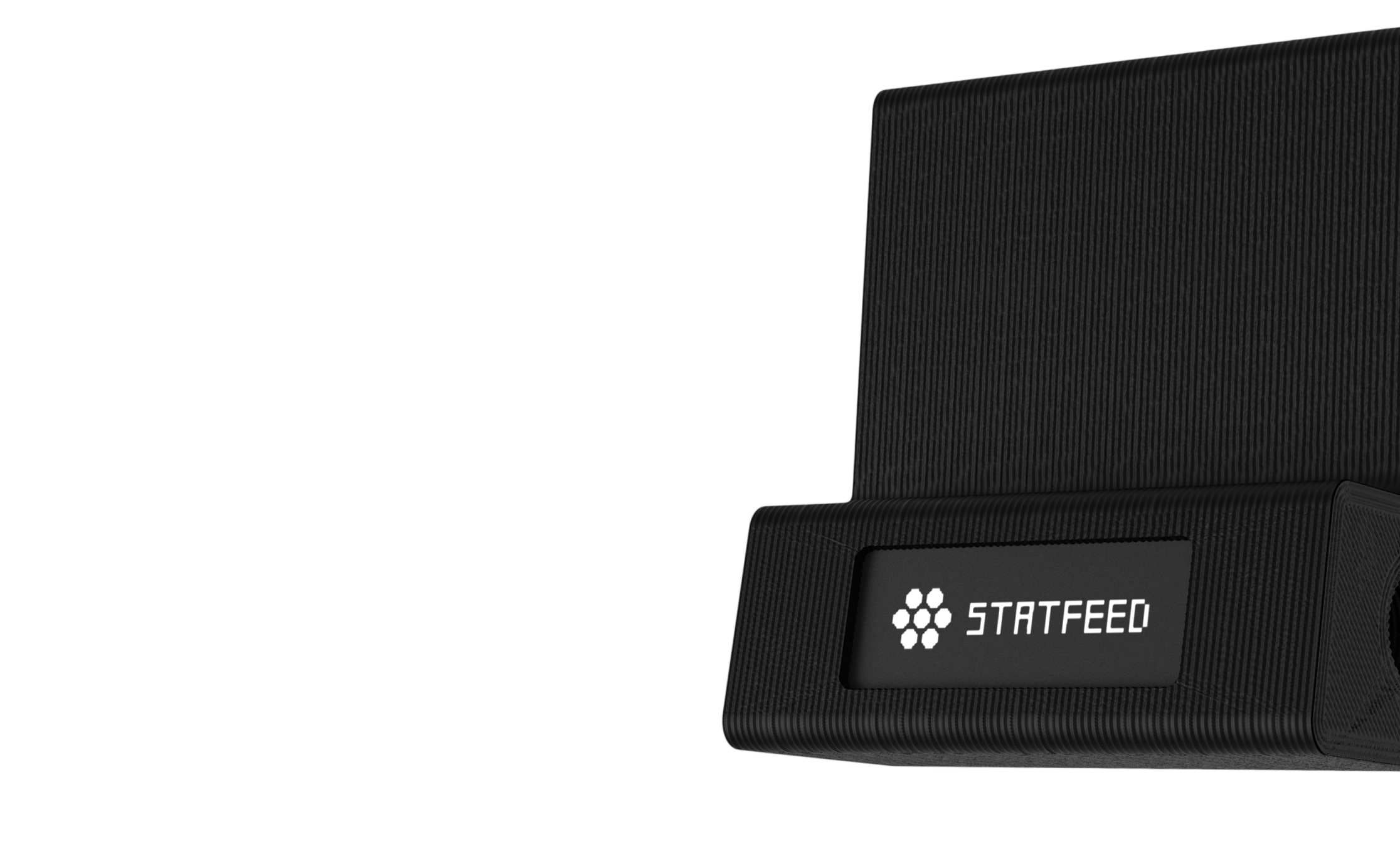
A live data feed that visualises stats in real time — built to learn real-time data handling.